
Connecting data, people, and purpose for aquatic biodiversity
On February 3rd, Quantitative Aquatics (Q-quatics) convened staff, board members, and invitees for an event dedicated to listening, exchange, and mapping future collaboration. The day focused on sharing the organization’s current direction, strengthening engagement, and identifying partnerships capable of shaping long-term impact for aquatic biodiversity.
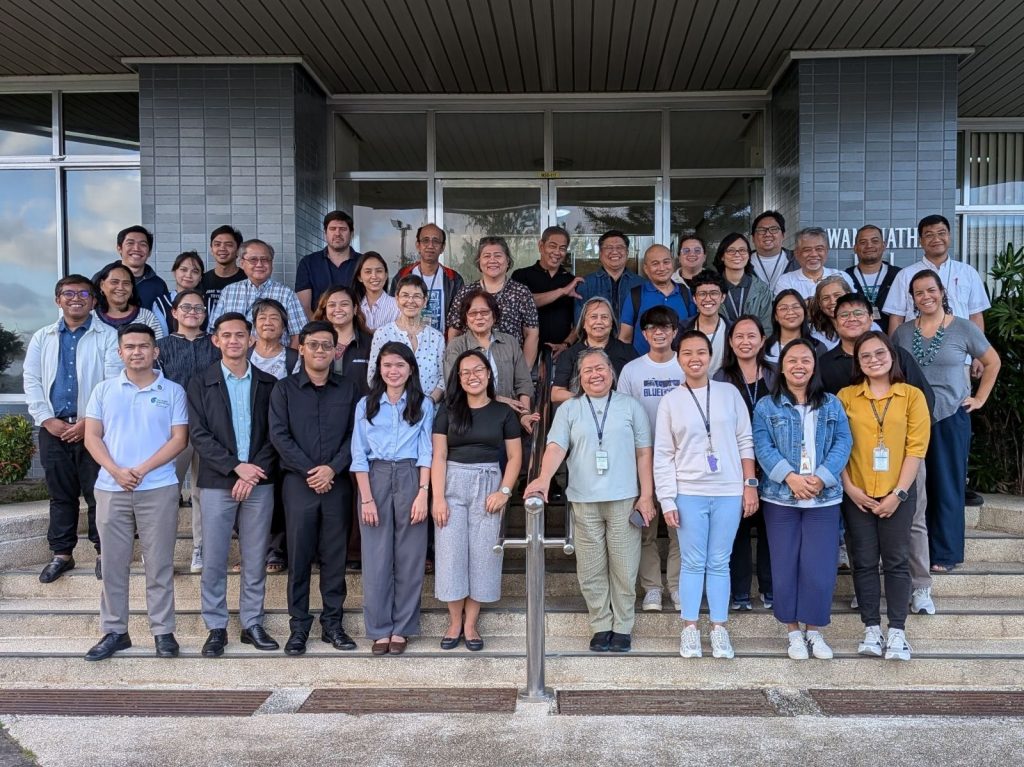
The workshop brought together some of the Q-quatics’ Board of Trustees—Cornelia Nauen (Chair), Fabrice Teletchea (Vice Chair), Maria Lourdes Palomares, and Benjamin Vallejo Jr.—alongside Executive Director Loida Corpus and the Q-quatics staff. They were joined by representatives from partner institutions across government, NGOs, academia, and civil society, including the ASEAN Centre for Biodiversity (ACB), Climate Change Commission (CCC), Tambuyog Development Center (TDC), Center for Empowerment and Resource Development (CERD), Conservation and Biodiversity Program (CBP) of UP CIDS, Ocean Centres Philippines, Sinaya Seafood, Center for Conservation Innovation Philippines, UP Manila, and environmental lawyer (former Oceana PH Executive Director) Atty. Gloria Ramos.
Creating the environment for shared discovery
The workshop began with a warm welcome from Q-quatics Executive Director Loida Corpus, followed by an open circle that helped participants center themselves and connect with the purpose of the gathering. Brief introductions built trust across institutions—a crucial foundation for meaningful collaboration.
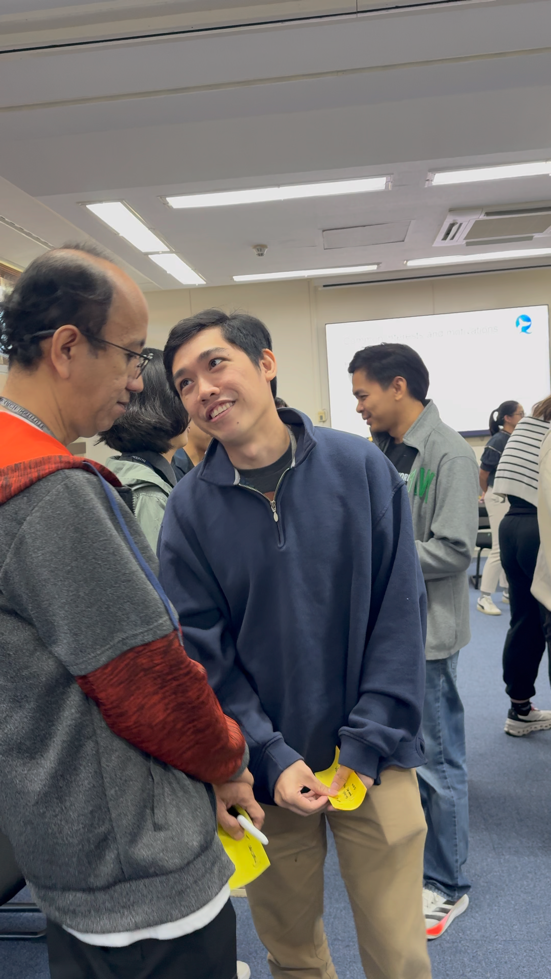
Through Impromptu Networking, participants explored their connections to aquatic knowledge, desired forms of collaboration, and key biodiversity challenges, quickly revealing complementary expertise, shared commitment, and strong curiosity.
Presenting Q-quatics through dialogue
A dynamic talk show–style presentation, in which staff took on the roles of celebrities interviewed by a journalist, showcased Q-quatics as an organization. This creative format replaced a traditional slide-based talk with a lively, conversational experience that was both informative and engaging.
Through this approach, our Board Chair Dr. Cornelia Nauen, Science Director Dr. Deng Palomares, and team members Jasper Mendoza and Rodolfo Reyes Jr. shared valuable insights on the challenges Q-quatics was created to address, the impact of its data and tools, current strategic tensions, and the role of partnerships in shaping the next decade. By framing these discussions as a shared narrative, the session fostered energy, interaction, and a deeper understanding of the organization’s purpose and future direction.
Listening to the ecosystem
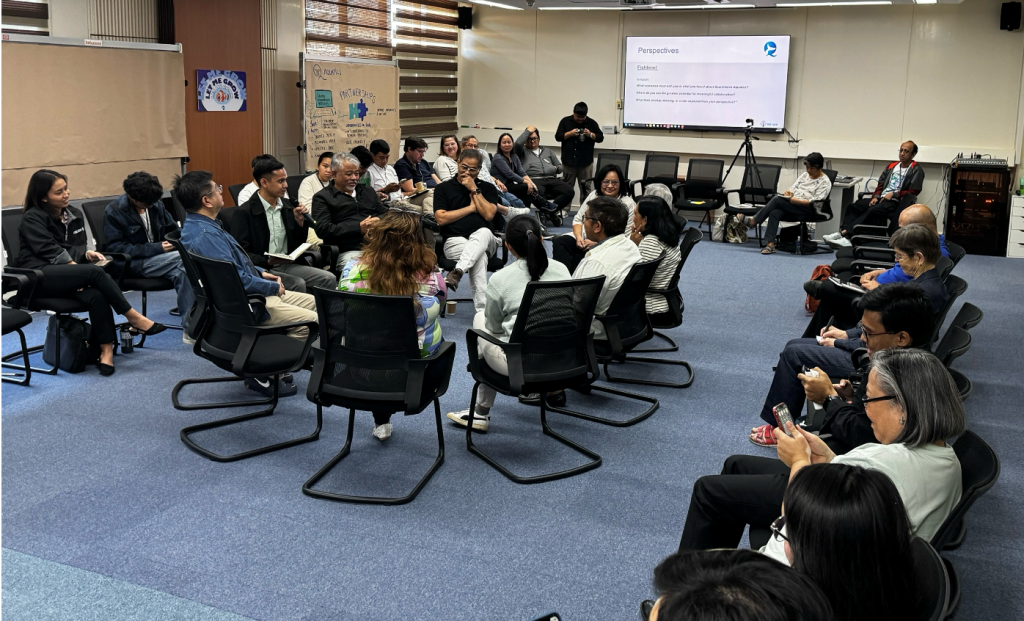
A Fishbowl dialogue elicited external perspectives, inviting reflections on what resonated, where collaborations could emerge, and what remains unclear.
The exchange clarified shared priorities and identified concrete avenues for joint initiatives, including system interoperability, integration of local and traditional knowledge, and responsible use of artificial intelligence to scale conservation impact.
Partnerships at the center
A collective visual placed partnerships at the heart of the future, connecting governments, NGOs, research institutions, universities, and communities around a shared insight: Addressing aquatic biodiversity challenges requires collective action—no one actor can do it alone.
Participants emphasized that future relevance depends not only on strong science, but also on trusted data, interoperable and user-friendly systems, accessible knowledge, and meaningful cross-sector collaboration. Data drives impact only when it becomes visible, usable, and connected to real-world management decisions—signaling a crucial shift from information to action.
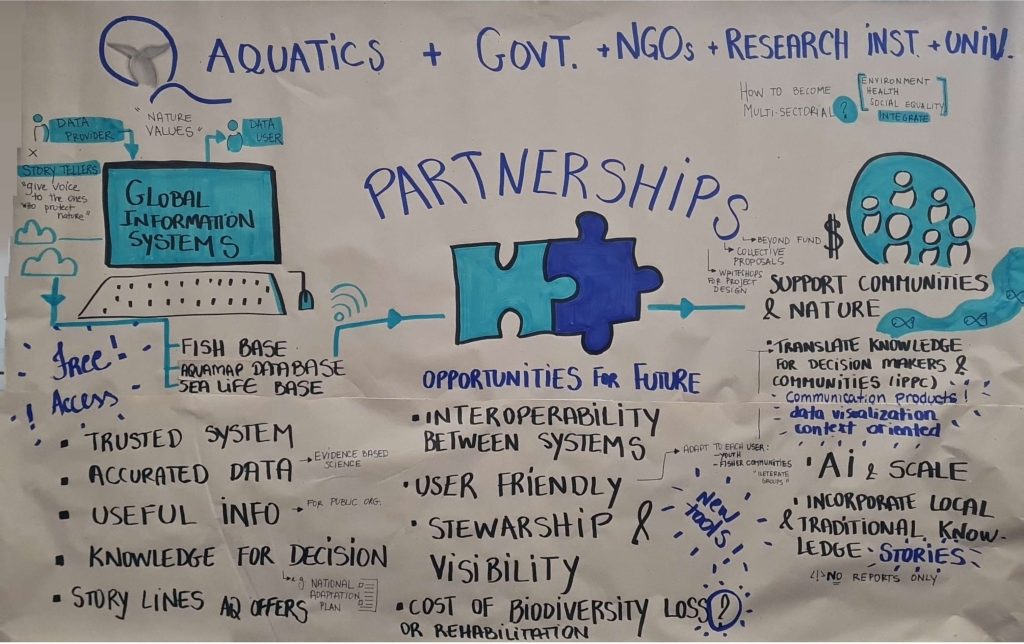
Key strategic priorities for the coming years include:
- Interoperability across knowledge systems
- User-centered tools for decision-makers and communities
- Stronger stewardship and visibility of biodiversity knowledge
- Clear valuation of biodiversity loss and restoration
Supporting communities and nature
Ensuring aquatic knowledge serves both ecosystems and people emerged as a central theme. Participants highlighted accessible science communication, integration of local and traditional knowledge, practical knowledge products beyond reports, and responsible adoption of emerging technologies—guided by the question: How can aquatic knowledge genuinely support communities and nature at the same time?
From insight to action
Through the Shift & Share method, participants synthesized insights and defined next steps for collaboration. Discussions revealed both strong institutional capabilities and structural challenges requiring collective action, including long-term funding, leadership succession, knowledge integration, science communication, and rapid technological change.
They also identified the governance and financing conditions necessary for credible partnerships—trust, transparency, shared vision, accountability, equity, and diversified funding—alongside concrete opportunities such as marine spatial planning, digitization of biodiversity collections, policy translation, capacity development, and innovative financing models.
Together, these directions outline a practical pathway for partnerships that connect science, communities, and decision-making—advancing aquatic biodiversity conservation and contributing to a sustainable blue economy.
The day concluded with 15% Solutions, inviting each participant to commit to an immediate, realistic action within their scope of influence—a reminder that impact often begins with small, deliberate actions.
A big thank you to Maria Fernanda Arraes of LinkRural for her expert facilitation, and to all participants—Q-quatics Board of Trustees, staff and invited guests—for making this exchange so productive!
